
The Challenge
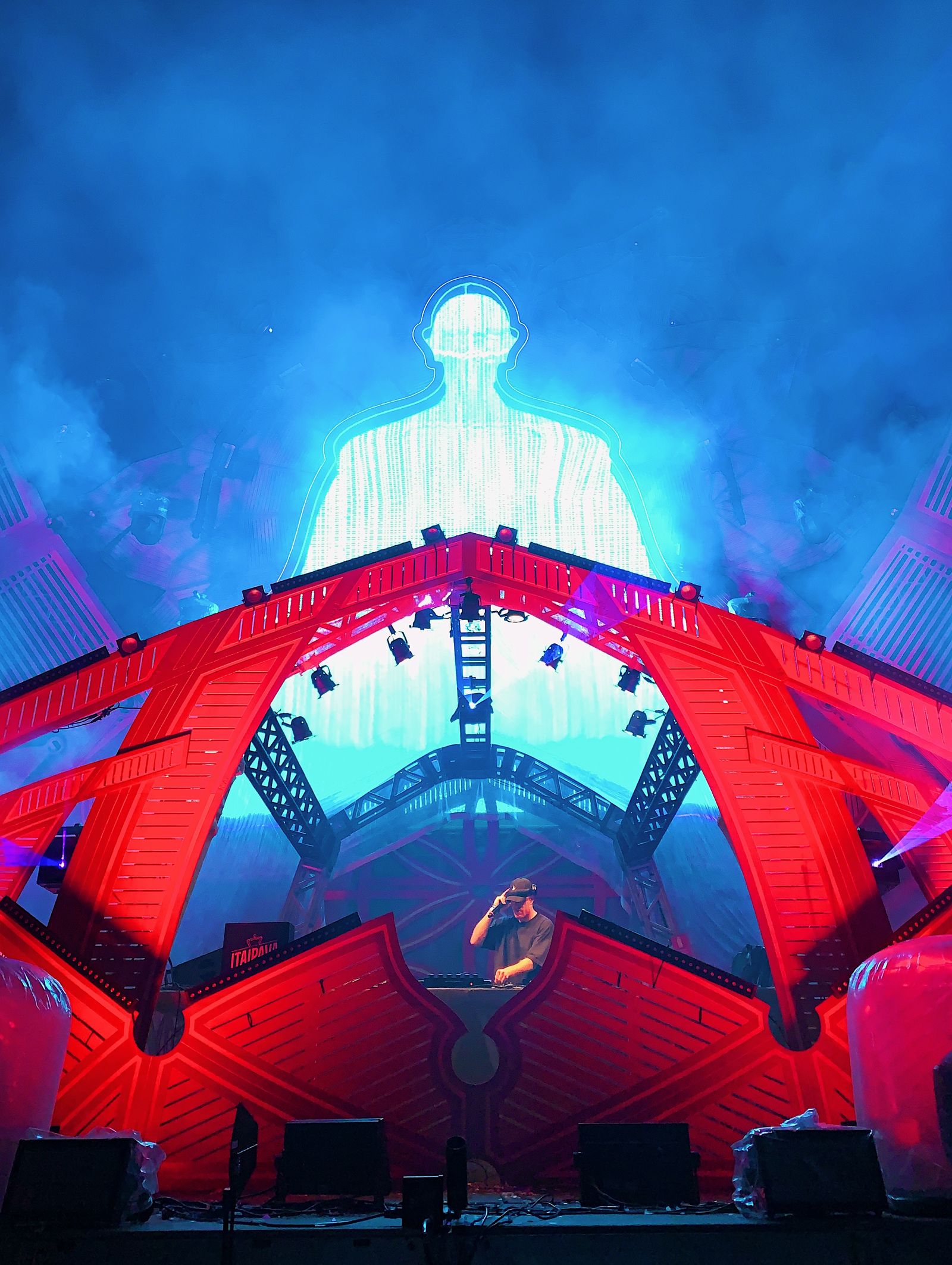
This electronic DJ had spent five years building a following on SoundCloud and Spotify through consistent uploads, remixes, and collaborations. His tracks had millions of plays. His comments section was full of fans begging him to play their city. But when it came to live shows, he was stuck playing support slots and small local gigs that barely covered travel.
The gap between his online popularity and his live career was confounding. He had tried booking a few headline dates himself, but without a tour marketing strategy or a ticket sales system, attendance was inconsistent and the venues that did fill up felt more like luck than a repeatable process. He had no retargeting strategy to convert online listeners into ticket buyers, and no segmentation to understand which fans were actually willing to show up in person.
"I could see thousands of people streaming my music every day," he told us. "But I had no idea how to turn even a fraction of them into people standing in a room watching me play."
The Diagnosis
Stramasa's discovery phase revealed three root problems:
- No live strategy — He was booking isolated dates with no tour narrative, no routing logic, and no build-up. Each show was treated as a one-off, which meant no momentum carried from city to city and no story for press or fans to follow.
- No ticket sales system — There was no pre-sale strategy, no tiered pricing, no VIP packages, and no retargeting of fans who showed interest but didn't buy. Ticket sales were left entirely to organic discovery on ticketing platforms.
- No fanbase segmentation — His entire audience was treated as one undifferentiated mass. He had no way to identify which fans were local to a tour market, which had engaged recently, or which were most likely to convert to ticket buyers.
The Growth Program
1. Tour Marketing Campaigns
We designed a complete tour marketing framework — a routed 12-city headline tour with a narrative arc, build-up content, and a coordinated campaign calendar for each market. Every city got a four-week marketing push leading into the show, with localized creative, venue-specific messaging, and geo-targeted promotion that made each date feel like an event rather than just another tour stop.
The routing was built to create momentum — each sold-out show became social proof that drove demand in the next market. Press and playlist coverage compounded across the tour rather than starting from scratch in every city.
2. Retargeting Ads for Fans
We built a full-funnel paid advertising system that turned online listeners into ticket buyers. Top-of-funnel ads introduced the tour to streaming audiences. Mid-funnel retargeting captured fans who engaged but hadn't purchased. Bottom-funnel conversion ads pushed urgency as show dates approached, with dynamic creative that showed remaining ticket counts and countdown timers.
The retargeting layer alone was responsible for over 30% of total ticket sales — fans who had streamed his music for years and finally had a reason and a reminder to see him live.
3. Fanbase Segmentation
We segmented his audience across every platform — by geography, engagement level, streaming behavior, and past purchase history. This let us target tour marketing with precision: fans local to each market received show announcements first, engaged fans got pre-sale access, and lapsed fans got re-engagement campaigns timed to the tour routing.
4. Show Promotion
Each show got a dedicated promotion package — venue partnerships, local press outreach, influencer and tastemaker engagement, and coordinated social content across the artist, the venues, and supporting acts. We built show-specific smart links that routed fans directly to ticketing and tracked conversion by channel.
5. Pre-Sale Campaigns
We designed tiered pre-sale campaigns that rewarded the most engaged fans — early access for email subscribers, VIP packages with meet-and-greets, and limited-quantity front-row tiers that created urgency. Pre-sold tickets funded the tour's upfront costs and gave us early demand signal to adjust marketing spend in weaker markets before it was too late.
The Results (8 Months)
- 12 sold-out headline shows — every date on the first headline tour sold out, several within 48 hours of going on sale
- 4x increase in monthly listeners — tour promotion and coordinated content drove sustained streaming growth alongside ticket sales
- 25,000 tickets sold — translating years of online audience-building into real, measurable live revenue
- 3x growth in social following — tour content, fan-generated content, and press coverage compounded his audience across platforms
- A repeatable tour model — the campaign framework now serves as the template for every future tour, with proven playbooks for each market
What Made the Difference
Segmentation turned a mass audience into a ticket-buying one. Once we could identify which fans were local, engaged, and likely to convert, tour marketing stopped being a broadcast and became a precision operation. The right fans got the right message at the right time.
Retargeting was the bridge from stream to ticket. His audience already loved the music. Retargeting ads simply gave them the nudge and the reminder they needed to take action. The 30% of sales driven by retargeting represented fans who would have stayed listeners forever without it.
The tour was built as a campaign, not a series of dates. Routing, narrative, and coordinated marketing turned 12 isolated shows into a single compounding growth event — each sold-out show driving demand and social proof for the next.
Ready to Turn Your Online Following Into Sold-Out Shows?
Stramasa helps DJs and electronic artists build tour marketing systems, fanbase segmentation, and paid campaigns that translate streaming popularity into real rooms full of fans — and real revenue.
Book a Free Strategy Call